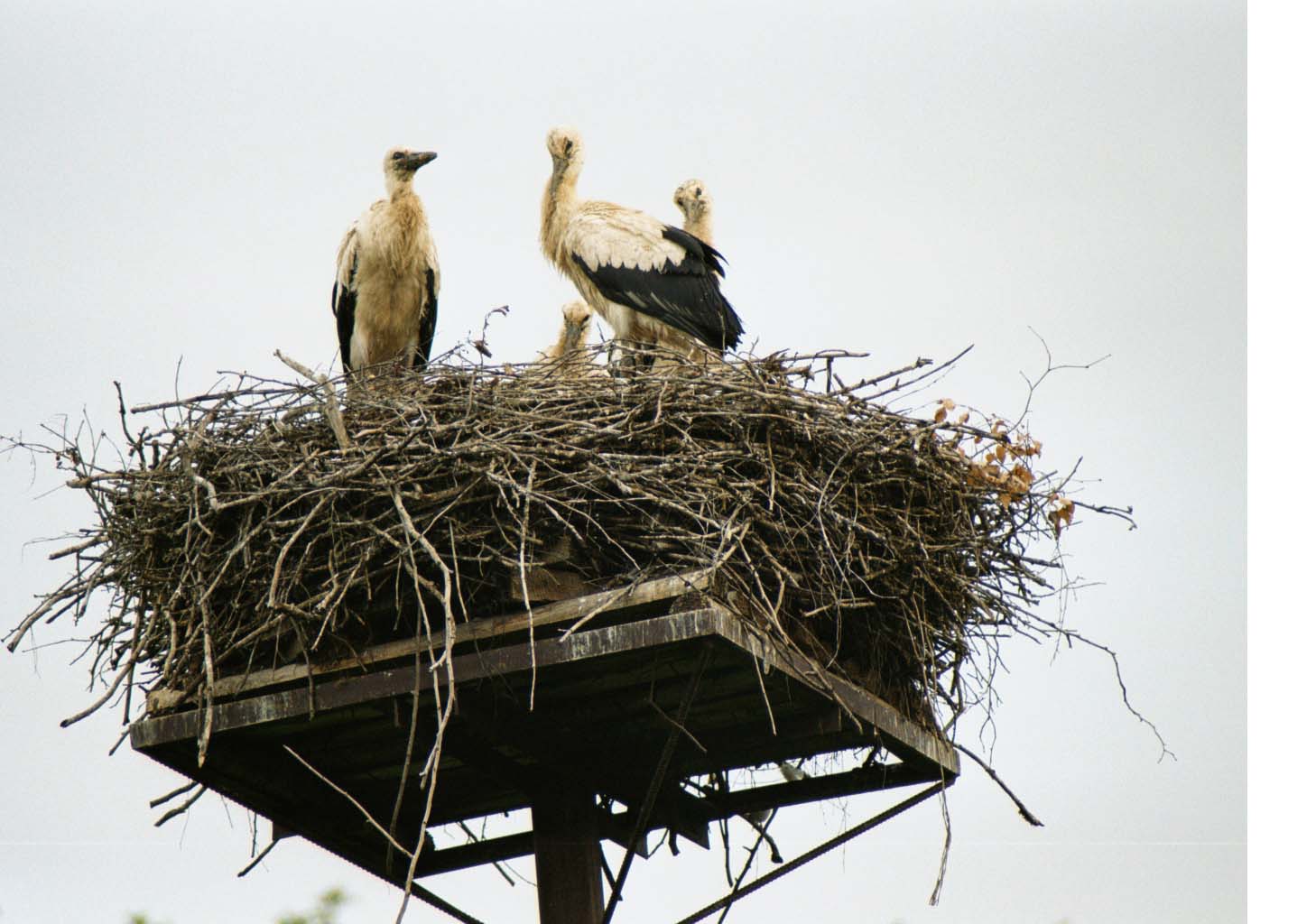
 Europe Europe
Introduction
Europe is a region rich in biodiversity with 2,500
types of habitats/ecosystems and over 215,000 species. Yet these
European ecosystems are in a state of rapid decline. To address
concerns over the decline of biodiversity the European Community
(EC) approved the Convention on Biological Diversity (CBD) in 1992.
The EC is currently spending about three percent of its development
assistance (around €190 million per year) on biodiversity conservation,
sustainable use and benefit sharing on a pan-European scale. Today,
the EU plays a leading role in the global efforts to mitigate the
loss of biodiversity.
The governments of European countries have committed
to a range of agreements aimed at halting the loss of biodiversity.
They range from the UN Convention on Biological Diversity and the
Millennium
Development Goals to the Kyiv
Resolution on Biodiversity and the targets agreed by European
Union biodiversity stakeholders at their Malahide
meeting in 2004 .
Action Plans
The EU
Biodiversity Strategy was adopted by the European Commission
in 1998. The Strategy is a framework and therefore takes a broad-brush
approach proposing objectives for work in a number of key policy
areas, covered by four sectoral biodiversity action plans on Fisheries,
Agriculture,
Natural
Resources and Economic
Development and Co-operation. Progress on the implementation
of the Action Plans is monitored by a Biodiversity Expert Group
chaired by the Commission.
The Pan-European
Biological and Landscape Diversity Strategy (PEBLDS) supports
the implementation of the CBD, as well as strengthening existing
European Conventions and the EU Biodiversity Strategy (1998). The
rolling work programme for PEBLDS can be found at www.strategyguide.org.
In addition, the Natura
2000 programme is being implemented, albeit to varying degrees,
throughout the European Union. This programme was established under
the 1992
Habitats Directive and requires Member States to submit lists
of proposed sites for conservation to the EC. Currently, about 20%
of the EU’s land surface is designated under Natura 2000.
European
Biodiversity Monitoring and Indicator Framework coordinates
biodiversity indicators and monitoring across Europe as a result
of the biodiversity targets set for 2010 at global, pan-European
and European Union levels.
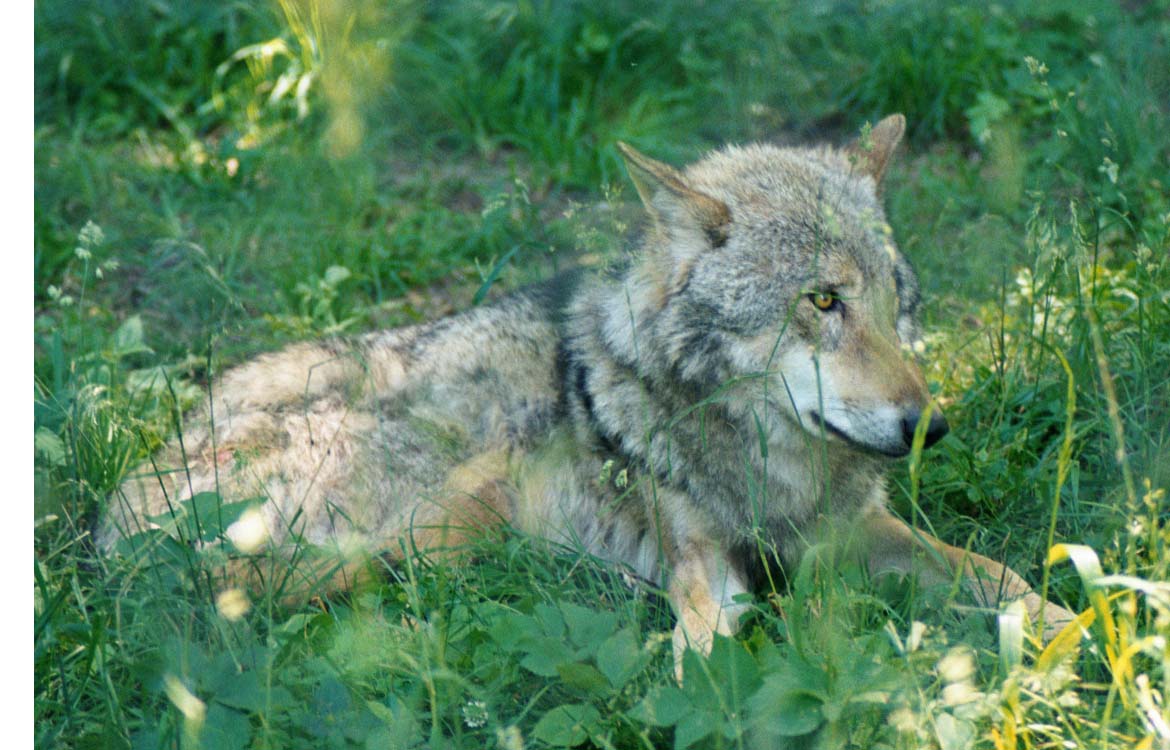
How does the Strategy work?
The Strategy is conceived as a 'matrix' of five major
themes: biodiversity conservation; sustainable use; sharing of benefits;
research; and education. Each of these themes are relevant to seven
different policy areas, including forests; nature conservation;
agriculture; and development. The relevant Directorates General
of the Commission in each policy area are required to direct the
biodiversity action plans.
Key Legislation
The 1992
Habitats Directive constitutes the most important instrument
and the strongest legal weapon for nature protection within the
EU. Other legislation relevant to the Biodiversity Strategy includes
the Birds
Directive and the EU Regulation on the Convention
on International Trade in Endangered Species of Wild Fauna and Flora
(CITES).
The EU
Water Framework Directive, which aims to protect the aquatic
environment and enhance the status of aquatic ecosystems, specifically
requires compliance with protected areas standards and objectives
thereby linking closely with the Habitats and Birds Directive.
The Directive
on Environmental Assessment of Certain Plans and Programmes (SEA
Directive 2001) incorporates environmental alongside social and
economic impact assessments of certain plans and programmes with
likely significant environmental effects. These are mandatory for
agricultural, forestry, fisheries, energy, industry, transport,
waste management, water management, telecommunications, tourism,
town and country planning and land use as well as where an assessment
is deemed necessary under the Habitats Directive. Under the directive,
a Strategic Environmental Assessment is required to report any issues
affecting areas designated under the Habitats Directive. This has
implications for companies in that it may require reporting on potential
indirect and off-site impacts on biodiversity.
Taking Action
In November 2003 the European Seminar ‘Public Private Partnerships
for Europe’s Biodiversity’ resulted in the Brabant-European
Partnership Manifesto, which acknowledged the great potential for
the biodiversity sector to become a key partner in developing a
sustainable future for Europe’s countryside among many other
key
points. Furthermore, the EC is looking to gain international
agreement on the establishment of a network of protected areas and
clear guidance on how protected areas should be managed. The EC
also called for indicators to measure biodiversity, and for strengthening
of access to genetic resources and equitable sharing of benefits
through implementation of the Bonn Guidelines. The European
Platform for Biodiversity (BioPlatform) supports the existing
European Platform for Biodiversity Research Strategy and provides
a forum for scientists and policy makers across the EU to promote,
discuss and inform national biodiversity activities and best practice.
Business Context
The link between biodiversity and business has been fairly weak
across the EU. While few initiatives currently exist which bring
biodiversity to the European Corporate agenda, individual companies
are taking action within their own operations.
The EU recently set up a corporate governance advisory panel to
provide advice on preparing corporate governance and company law
measures. Click here
for more information. The work of this panel will be complementary
to the more strategic role in the convergence of corporate governance
in Europe carried out by the recently created European
Corporate Governance Forum.
The European
Social Investment Forum (EUROSIF) is the pan-European stakeholder
network which encourages and develops sustainable and responsible
investment and better corporate governance. Recently, a Eurosif
study, Socially Responsible Investment among European Institutional
Investors 2003, showed that European Institutional Socially Responsible
Investment (SRI) had reached €336 Billion. Other groups with
similar platforms include The
European Multi Stakeholder Forum on CSR, the SME
Key and the SRI
Compass.
A European
Roadmap for Businesses: Towards a Sustainable and Competitive Enterprise
was recently published by CSR Europe.
Overall, these actions indicate that businesses are becoming more
intimately involved with issues like sustainable development, CSR
and SRI.
Resources
General EU/EC
Europa
EC Nature and Biodiversity
European Environment
Agency
Biodiversity in the EU
European
Community Clearing-House Mechanism
European Centre for
Nature Conservation
Countdown
2010
European
Platform for Biodiversity Research Strategy (Bioplatform)
Companies / CSR
EU
Multi Stakeholder Forum on CSR
EC
on CSR
The European
Business Campaign for Corporate Social Responsibility
European Social
Investment Forum
Global
Reporting Initiative
Legislation / Liability
EC
Environmental Liability
EC
Links to Environmental Legislation
Networks / Organisations / Info centres
The
Regional and Environmental Centre for Central and Eastern Europe
(REC)
The
World Conservation Union Regional Office for Europe (IUCN-ROF)
The Biodiversity
Project Cluster (BIOTA)
Eurosite
Photo Credit: Roger Mitchell/Earthwatch Institute (Europe) |